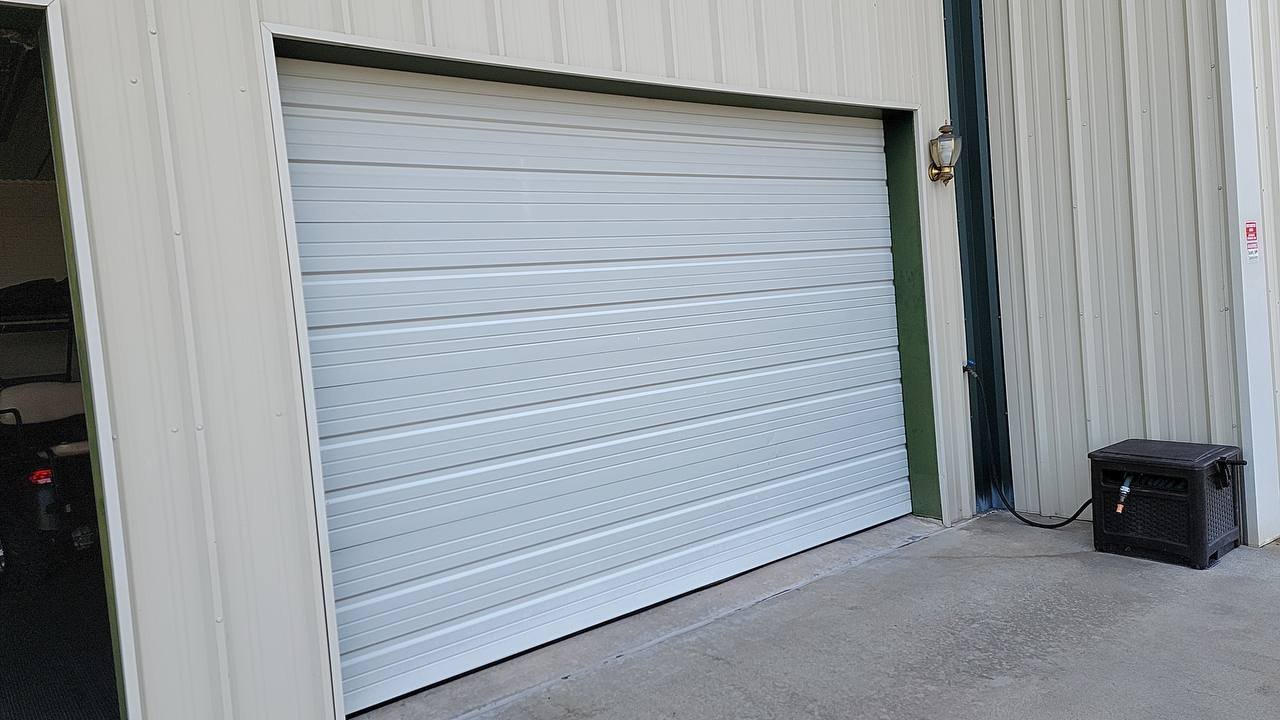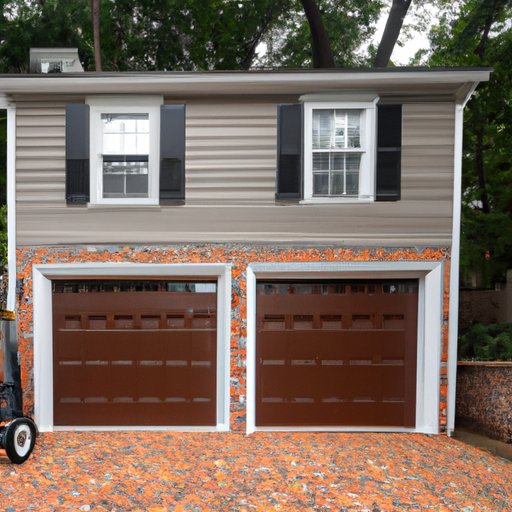
Homeowners in Maplewood, NJ need reliable guidance when planning garage door installation. Safety matters from the first inspection to the final test — and a safe process protects family, property, and the long-term function of your garage doors. This guide covers practical steps Maplewood residents can take, what to expect from a professional residential service, and how weather and local rules affect the work.
Start with a focused safety checklist
Before any garage door installation begins, run through a short safety checklist. Keeping the jobsite tidy and assessing existing hardware reduces surprises and speeds safe completion.
- Turn off power to the garage opener and secure all remotes.
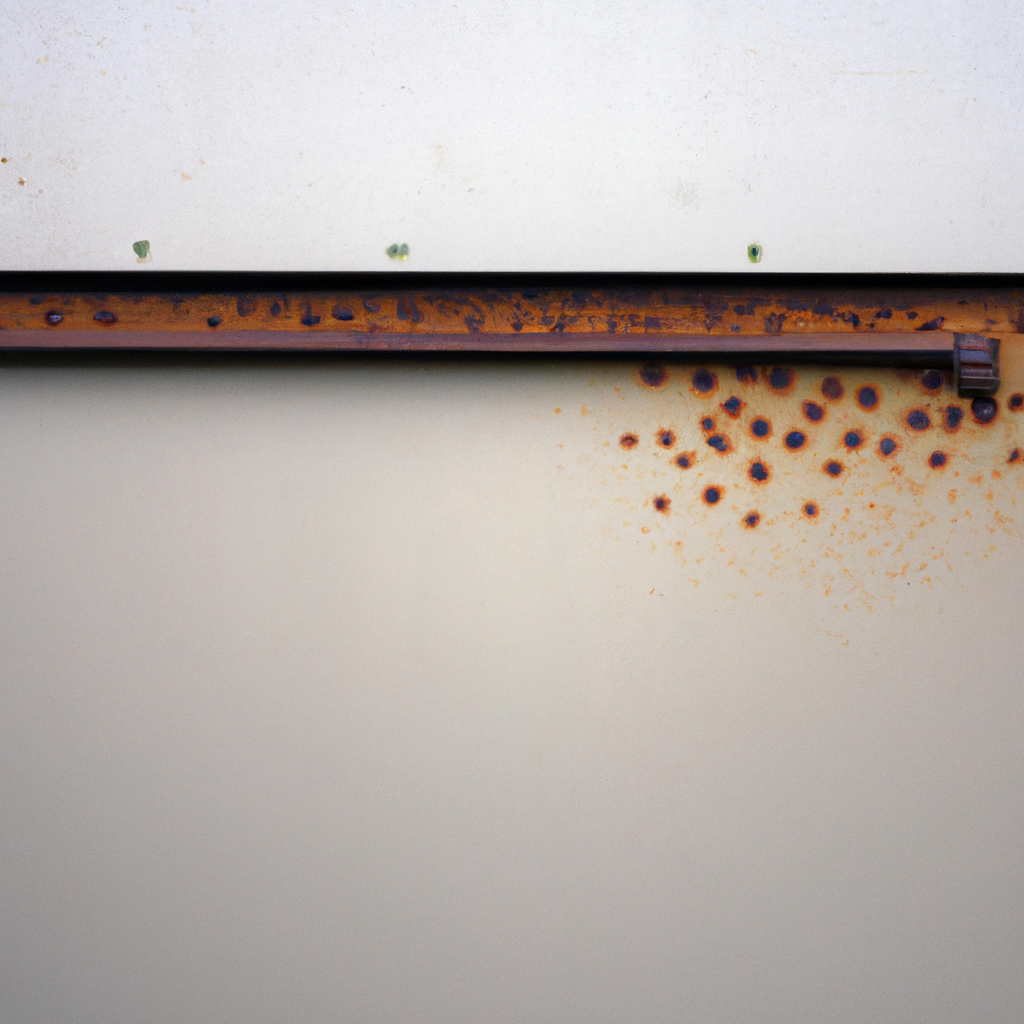
- Inspect existing tracks, springs, and cables for rust or fraying.
- Clear vehicles, toys, and flammable materials from the work area.
- Plan safe ladder placement and ensure a firm footing on driveways or pads.
- Confirm that anchoring points in the header and jambs are structurally sound.
Using a simple checklist reduces risk and creates a clearer scope for the technician doing your garage door installation. If you need tailored advice for your home, review our local guidance in the services section.
Choose qualified installers and verify credentials
Not all companies performing garage door installation have the same training or insurance. For Maplewood homeowners, prioritize contractors who demonstrate these essentials:
- Liability insurance and worker coverage for residential service visits.
- Clear evidence of training on spring replacement, opener alignment, and safety sensors.
- References or local reviews from Maplewood or nearby towns.
A professional crew reduces on-site risk by following manufacturer torque specs for springs, properly tensioning cables, and testing auto-reverse sensors. For project estimates and scheduling, homeowners can request a local inspection or reach out via our contact page.
What to ask during estimates
- Will the crew use new bolts, brackets, and fasteners suitable for your header material?
- Do quotes include spring type (torsion vs. extension) and expected lifespan?
- Are safety tests included, such as balance tests and opener auto-reverse checks?
Safe staging and equipment on the day of work
On installation day, preparation cuts time and prevents accidents. Small habits have big safety payoffs:
- Keep children and pets indoors while technicians work.
- Park cars away from the driveway to give installers full access.
- Provide clear access to the electrical panel if the opener needs a dedicated circuit.
- Ask the crew to set up cone markers or a temporary barrier to prevent passersby from entering the work zone.
Professional teams bring proper lifting tools, spring clamps, and balanced supports. Attempting DIY spring changes or cable swaps is risky — springs store significant energy and can cause injury. For a deeper look at common safety checks and follow-up maintenance, see our expert tips on the blog.
Tools and safety gear to expect
- Spring winding bars rated for the correct torsion springs.
- Eye protection, gloves, and sturdy ladders with anti-slip feet.
- Torque-rated fasteners and proper anchoring tools for header reinforcement when needed.
Local concerns: Maplewood weather, permits, and timelines
Maplewood’s seasonal weather and local permitting rules influence how safely and quickly a garage door installation proceeds.
Weather and timing
Winter cold and summer humidity can affect materials and scheduling. Cold temperatures make metal parts stiff and springs harder to wind; installers may recommend waiting for milder days for precise spring tensioning. During thaw or heavy rain, protect the work area from standing water to keep ladders and electrical tools safe.
Permits and township rules
Many simple replacements do not need permits, but changing the header, altering structural framing, or adding a commercial opener can trigger building department requirements. Maplewood homeowners should contact the township building office before major structural modifications. A licensed residential service will usually advise if a permit is required and can often handle permit paperwork on your behalf.
Typical timelines
Standard residential garage door installation typically takes between 3–6 hours for a single door, depending on the scope. If the job includes header reinforcement, custom panels, or electrical upgrades, expect the timeline to extend to a full day or multiple visits for inspections. Scheduling in advance helps avoid weather delays and ensures proper parts are on hand.
Post-installation safety checks and maintenance
After installation, a short set of tests confirms safe operation and extends the life of your new system.
- Balance test: Disconnect the opener and lift the door manually. A properly balanced door should move smoothly and stay in place at mid-height.
- Auto-reverse test: Place an object in the door’s path and confirm the opener reverses immediately on contact.
- Sensor alignment: Ensure photo-eye sensors are clean and aimed across the doorway; replace damaged wires.
- Lubrication: Apply manufacturer-recommended lubricant to rollers, hinges, and springs (not to nylon rollers unless specified).
- Fastener recheck: Re-tighten hardware after the first week of operation, as new doors settle and hardware can loosen slightly.
Regular preventive service every 6–12 months keeps springs and cables in good condition and reduces the chance of sudden failure. If you want a maintenance plan tailored to Maplewood homes, contact our team for options available in the local area.
Choosing the right components for safety and longevity
Selecting quality components during garage door installation matters as much as competent labor. Look for:
- Rated torsion springs sized to your door’s weight and cycle life — higher cycle springs last years longer.
- Photoelectric sensors that meet current UL safety standards.
- Openers with built-in entrapment protection and battery backup if power outages are a concern.
- Weather seals and threshold strips to protect against New Jersey rain and seasonal drafts.
Upfront investment in better hardware often reduces lifetime costs and keeps a household safer. If you want comparisons of common opener models or spring options, our services page outlines recommended configurations for Maplewood residences.
Final notes: communication, documentation, and warranty
Clear communication prevents missteps. Ask your installer for a written summary of work completed, parts installed, torque specs for springs, and warranty terms. Warranties on parts and workmanship vary — get details in writing before the crew leaves the site.
Keeping records helps if you sell your home or need future service. Proper documentation also makes it simple to schedule follow-up maintenance and to understand the expected lifespan of components used in your garage door installation.
If you live in Maplewood and want a professional evaluation, schedule a local inspection through our contact page to discuss safe options for your home.
Do I need a permit for garage door replacement in Maplewood, NJ?
Minor replacements that do not alter framing usually do not require a permit, but structural changes (header or framing work) often do. Contact the Maplewood building office or ask your installer to confirm permits before work begins.
How long does a typical residential garage door installation take in Maplewood?
Expect 3–6 hours for a standard single-door replacement. Jobs requiring header reinforcement, custom panels, or electrical upgrades may take a full day or multiple visits.
What price range should Maplewood homeowners expect?
Basic garage door installation costs in Maplewood typically start around $600 for simple steel doors and can exceed $2,000 for insulated, carriage-style doors with premium openers. Final price depends on door type, spring cycle rating, and any structural work.
How does Maplewood weather affect garage door safety?
Cold snaps can stiffen metal parts and affect spring winding; heavy rain demands covered staging to prevent slips. Installers may reschedule for extreme conditions to maintain safe working practices.
What warranties and maintenance should I request?
Ask for written warranties on springs, panels, and openers, plus a checklist of recommended maintenance intervals (commonly every 6–12 months) to keep warranties valid and the system safe.
Helpful local resources in Maplewood, NJ
- Garage Door Repair Hoboken
- Garage Door Repair Montclair
- Garage Door Repair Westfield
- Garage Door Repair Summit
- Garage Door Repair Maplewood
- Garage Door Repair Livingston
- Garage Door Repair Short Hills
- Garage Door Repair Princeton
- Garage Door Repair Red Bank
- Garage Door Repair Morristown
- Garage Door Repair Chatham
- Garage Door Repair Mendham
- Garage Door Repair Bernardsville
- Garage Door Repair Bedminster
- Garage Door Repair Clinton
- Garage Door Repair Tenafly
- Garage Door Repair Ridgewood
- Garage Door Repair Upper Saddle River
- Garage Door Repair Wyckoff
- Garage Door Repair Basking Ridge
- Garage Door Repair South Orange
- Garage Door Repair Teaneck
- Garage Door Repair Fort Lee
- Garage Door Repair East Brunswick
- Garage Door Repair Montvale
- Garage Door Repair Haddonfield
- Garage Door Repair Marlboro
- Garage Door Repair Cranford
- Garage Door Repair Voorhees
- Garage Door Repair North Caldwell